



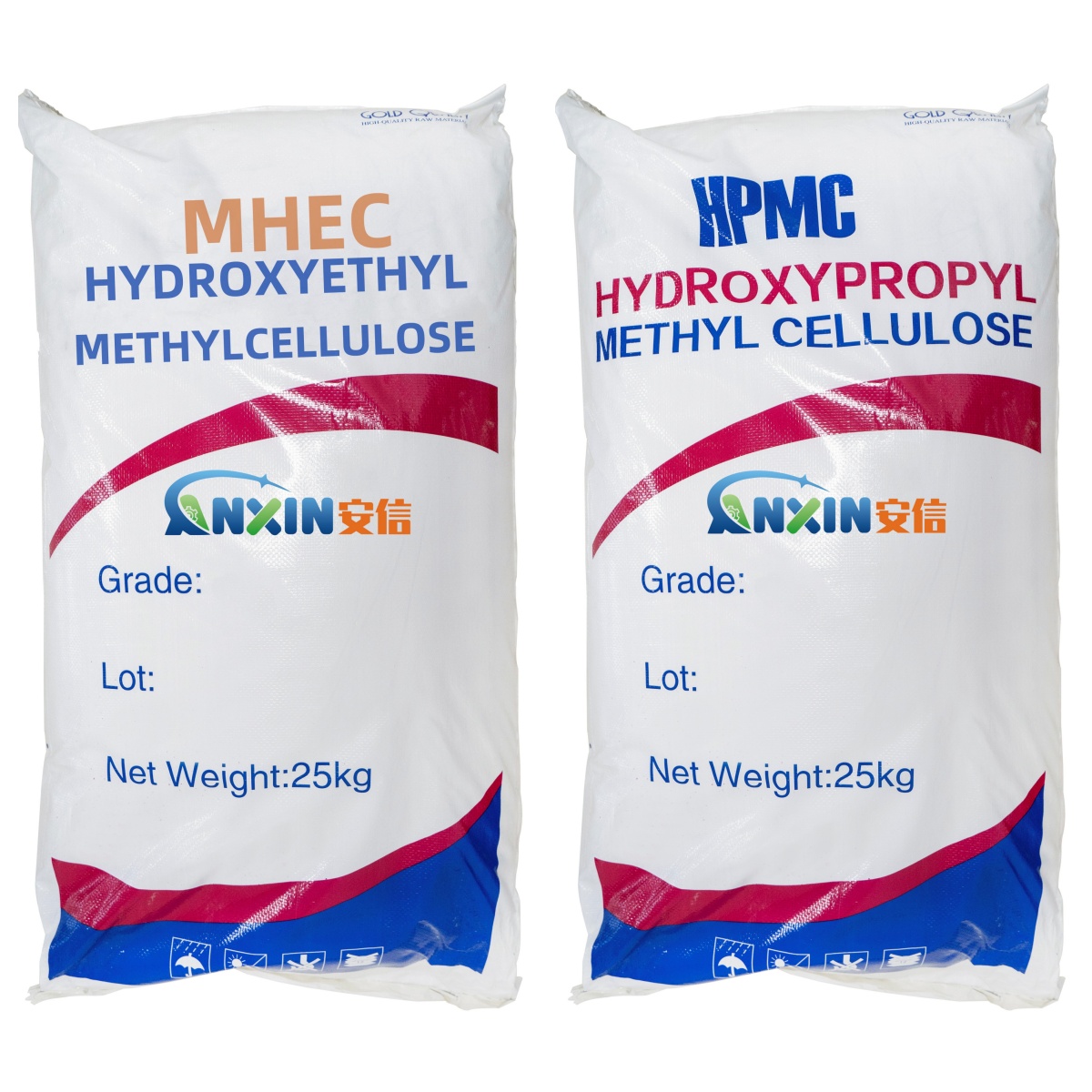
Cellulose ethers are an important class of water-soluble polymer materials, which are widely used in the field of construction engineering, especially in masonry mortar and plaster mortar, playing an irreplaceable role. Common cellulose ether varieties include hydroxypropyl methylcellulose (HPMC), hydroxyethyl methylcellulose (MHEC), etc. They greatly improve the comprehensive performance and construction efficiency of mortar by adjusting the consistency, water retention, construction performance and adhesion of mortar.
1. Improve the water retention of mortar
During the construction of mortar, if the water retention is insufficient, water is easily absorbed by the base or the atmosphere, resulting in insufficient cement hydration, cracking, hollowing, falling off and other quality problems. Cellulose ether has a strong water absorption and water holding capacity, and can form a mesh structure in cement mortar to “lock” water and effectively reduce water loss.
In masonry mortar, cellulose ether prolongs the time that water stays in the mortar, allowing the bricks and mortar to fully combine and improve the bonding strength; in plastering mortar, it helps to prolong the operation time and prevent cracking and construction difficulties caused by too fast surface drying.
2. Enhance workability and workability
Cellulose ether can significantly improve the workability of mortar, making it have good operability and fluidity. During the mixing process, cellulose ether increases the viscosity of the mortar to make it more evenly distributed and avoid segregation and water seepage.
During masonry construction, good workability facilitates the mortar to be filled between bricks, reduces voids, and improves the integrity of the structure; during plastering construction, the mortar has better viscosity and scrapability, making the workers operate more smoothly and the finished product surface smoother and more beautiful.
3. Improve bonding and anti-slip properties
Cellulose ether has certain adhesion properties and can significantly improve the bonding between mortar and substrates (such as bricks, concrete walls, etc.). In vertical wall construction, mortar is prone to slip due to its own weight. Cellulose ether can effectively prevent slippage and improve construction quality by increasing the viscosity of mortar and enhancing its anti-vertical adhesion.
Good adhesion also enhances the durability of mortar and reduces the cost of later maintenance.
4. Adjusting the consistency of mortar and delaying the setting time
Cellulose ether can adjust the consistency of mortar and keep it within a controllable range, not too thin or too dry. In high temperature or dry environment, cellulose ether can slow down the evaporation rate of water in mortar, extend the construction time of mortar, and facilitate workers to adjust and trim during construction.
Delaying the setting time is particularly critical for large-area plastering operations. It avoids construction joints and uneven strength caused by too fast solidification, and improves construction flexibility and final quality.
5. Improve crack resistance and durability
Because cellulose ether can enhance the water retention and adhesion of mortar, the hydration reaction of mortar is more sufficient during the hardening process, reducing shrinkage and cracking. At the same time, since cellulose ether is distributed in the mortar to form a microscopic network structure, it also improves the toughness and crack resistance of the mortar to a certain extent, and prolongs its service life.
6. Adapt to a variety of construction processes and material systems
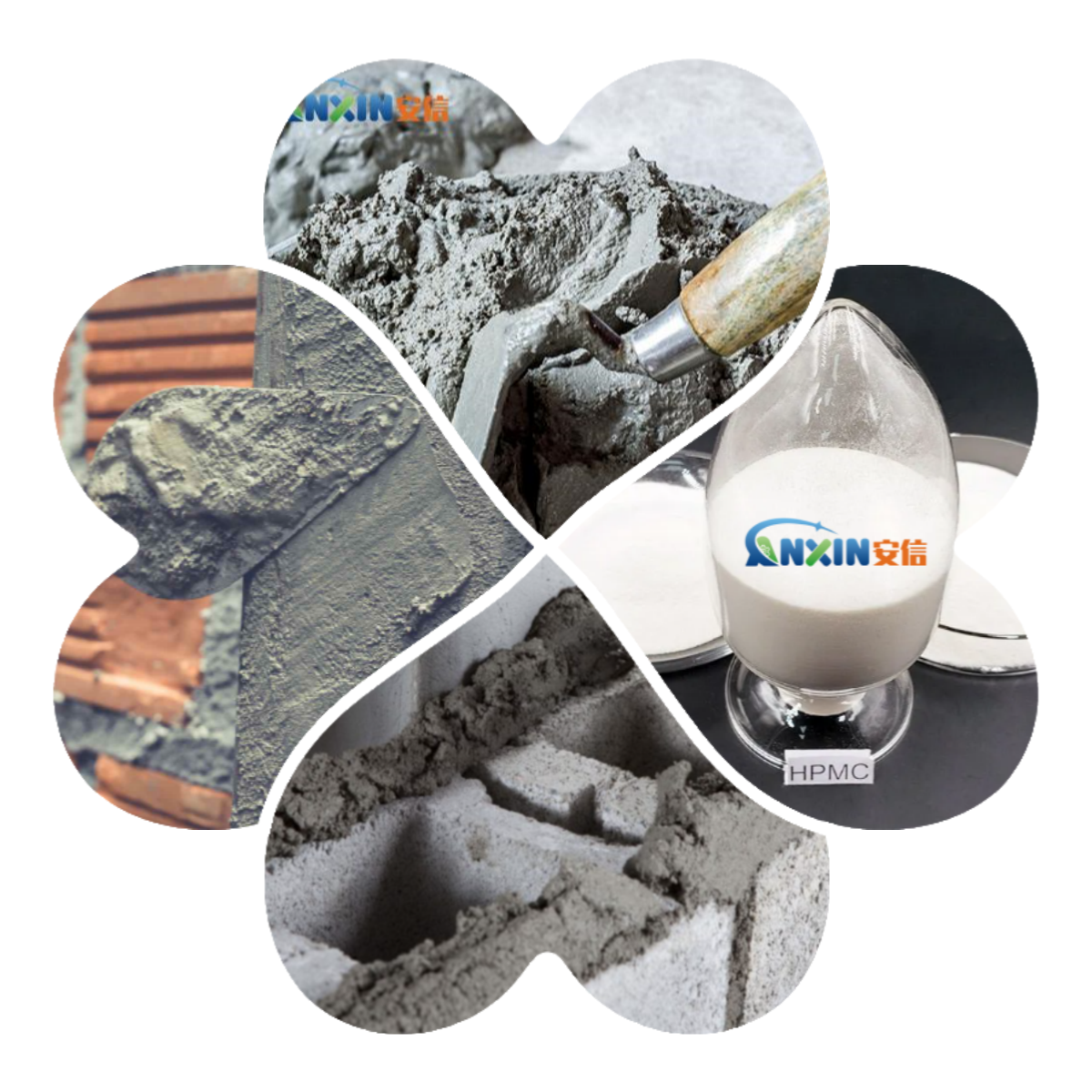
In modern construction, the types of masonry and plastering mortars are becoming more and more diverse, such as ordinary cement mortar, gypsum-based mortar, lime mortar, etc. Cellulose ether has good compatibility and can adapt to different types of cementitious materials. It is widely used in traditional on-site mixed mortar, premixed mortar and dry-mixed mortar.
With the popularization of mechanized construction (such as mortar pumping and spraying construction), higher requirements are placed on mortar performance. The addition of cellulose ether can improve the pumpability and shear stability of mortar and ensure the stable operation of construction equipment.
7. Recommended dosage and precautions
In actual applications, the addition amount of cellulose ether is usually low (0.1%~0.3%), but it has a significant impact on the performance of mortar. Too high an addition amount will cause the mortar to be too viscous, affecting construction efficiency; too low an addition amount may not be able to perform its due function. Therefore, it is necessary to make reasonable adjustments according to the specific mortar formula, construction environment and use requirements.
During the construction process, attention should also be paid to the full dispersion and dissolution of cellulose ether to avoid agglomeration or uneven distribution. It can be mixed evenly by dry mixing and then adding water to ensure the best effect.
Cellulose ether plays multiple key roles in masonry mortar and plaster mortar, such as water retention, thickening, enhancing construction and adhesion, and improving crack resistance. It is an indispensable functional additive for modern high-performance mortar. Reasonable use of cellulose ether can not only improve the overall performance of mortar, but also improve construction quality and efficiency, providing a strong guarantee for the quality of construction projects.
Post time: Jun-16-2025