



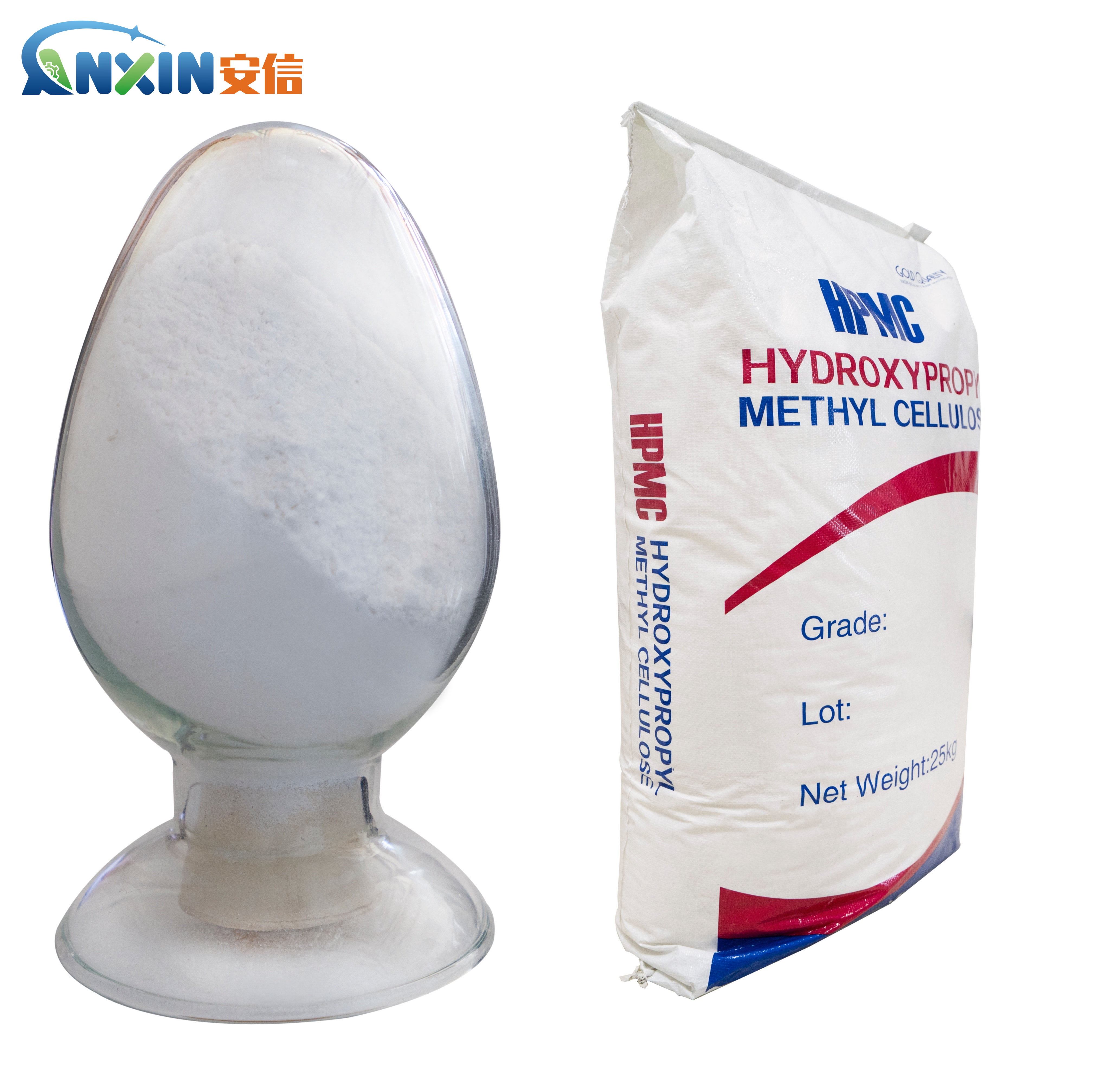
Hydroxypropyl methylcellulose (HPMC), as a non-ionic, redispersible cellulose ether derivative, is widely used in various industries such as building materials, coatings, daily chemicals, pharmaceuticals, and food, thanks to its excellent solubility, thickening properties, film-forming properties, and surface activity. With the increasing demand for green chemistry and sustainable materials, the comprehensive performance advantages of HPMC are becoming more prominent, making it an indispensable functional additive in many systems.
1. Core Performance Advantages of HPMC
1.1. Excellent Thickening and Rheological Control Capabilities
HPMC can rapidly disperse in cold water and form a transparent solution. Its molecular chain structure provides the system with good viscosity and rheological stability. By selecting different viscosity grades, the thixotropy, workability, and uniformity of the formulation can be precisely adjusted. Whether in mortar, coatings, or daily chemical products, HPMC is an important rheological modifier.
1.2. Outstanding Water Retention Performance
The film-forming and colloidal protection characteristics of HPMC provide it with excellent water retention capabilities. It can effectively prevent water loss from the system, improve the hydration efficiency of materials such as cement and gypsum, and prevent early drying shrinkage cracks. In daily chemical and pharmaceutical systems, HPMC can also maintain the moisture content of the formulation, preventing rapid water evaporation.
1.3. Excellent Film-Forming and Adhesion Properties
HPMC forms films with good flexibility, transparency, and adhesion. In building material systems, it can improve the bonding effect between mortar and the substrate; in coatings, it can enhance film uniformity; and in pharmaceuticals and food, it can be used as a coating material, providing a protective layer and sustained-release effect.
1.4. Safe, Environmentally Friendly, and Biocompatible
HPMC is non-toxic and odorless, meets food-grade and pharmaceutical-grade requirements, is biodegradable, has high thermal stability, and excellent acid and alkali resistance. Its non-ionic nature ensures stability in multiple systems and prevents adverse reactions with other components.
2. Typical Industry Applications of HPMC
2.1. Construction and Building Materials Industry
In building material systems, HPMC is a key additive in products such as mortar, putty, tile adhesive, self-leveling compounds, and cement-based waterproof coatings. Enhancing water retention: Promotes full hydration of cement and gypsum systems.
Optimizing workability: Improves the lubricity, flowability, and brushability of mortars and putties.
Strengthening adhesion: Increases the adhesion between the material and the substrate.
Extending open time: Suitable for modern construction rhythms and high-temperature environments.
In tile adhesives and EIFS external insulation systems, HPMC significantly improves anti-slip properties and bonding strength, making it an indispensable functional additive.
2.2. Coatings and Inks Industry
HPMC can be used as a thickener, film-forming agent, stabilizer, and dispersant in latex paints, water-based coatings, and inks.
Provides suitable application viscosity and thixotropic properties.
Improves the can-opening effect and leveling properties of coatings.
Enhances scrub resistance and surface gloss after film formation.
Improves pigment dispersion stability and prevents pigment settling.
Its non-ionic nature gives it strong compatibility and allows it to be well-matched with most emulsion systems.
2.3. Daily Chemical Industry
In detergents, shampoos, shower gels, toothpaste, and cosmetics, HPMC mainly provides:
Gentle and stable thickening effect
Silky skin feel and good spreadability
High gloss in transparent systems
Stable foam structure
Compared to hydroxyethyl cellulose (HEC), HPMC has better salt resistance and more stable viscosity.
2.4. Pharmaceutical Industry
Pharmaceutical-grade HPMC is a key excipient in pharmaceutical production, used in tablet coatings, controlled-release matrices, eye drops, gels, etc.
As a controlled-release carrier, it regulates the drug release rate.
Provides stable viscosity and swelling properties.
Offers both safety and biocompatibility in injectable and ophthalmic preparations.
HPMC has become one of the mainstream materials in pharmaceutical excipients.
2.5. Food Industry
In food processing, HPMC, as a thickening agent, gelling agent, emulsifying stabilizer, and “vegetable gum” in vegetarian formulations, exhibits excellent processing properties. It is used in applications such as:
Artificial meat, baked goods, ice cream
Pickles, sauces, instant noodle ingredients
Structural enhancement of gluten-free products
Its thermal gelling properties are particularly suitable for baking and vegetarian products.
With its multiple advantages in thickening, water retention, film formation, suspension, and stabilization, HPMC has become an indispensable key material in various industries. As the demand for high-performance, environmentally friendly materials grows, the application of HPMC in construction, pharmaceuticals, daily chemicals, and food will continue to expand. In the future, it will provide higher value-added solutions to various industries with higher purity, more stable quality, and more refined functions.
Post time: Dec-08-2025