



How does HPMC play the role of adhesive?
1. Basic characteristics and working principle of HPMC
Hydroxypropyl methylcellulose (HPMC) is a non-ionic cellulose ether widely used in construction, medicine, food and daily chemical industries. When used as an adhesive, the core role of HPMC comes from the following physical and chemical properties:
Good solubility and solution viscosity: HPMC swells rapidly in cold water and forms a transparent or translucent colloidal solution. The long-chain cellulose molecules in the solution form a three-dimensional network structure through entanglement and hydrogen bonding, which can significantly improve the cohesion of the system and the wettability of the substrate.
Film-forming property: HPMC molecules can form a continuous and flexible film on the surface of the substrate when the water evaporates or the temperature changes. This film gives the adhesive layer stable mechanical strength and adhesion, and also plays a protective role.
Non-ionic properties: HPMC is insensitive to changes in ionic strength and pH, has stable bonding properties, and is suitable for various formulation systems.
2. Mechanism of HPMC as an adhesive
2.1. Thickening and viscosity control
As an adhesive, HPMC provides sufficient “fluid resistance” through the viscosity of the solution, so that the colloid can evenly cover the surface of the adherend. Appropriate viscosity ensures that the material will not sag or delaminate during construction or application, increasing the effective contact area and bonding strength.
2.2. Intermolecular hydrogen bonding
HPMC molecules contain a large number of hydroxyl, methoxy, and hydroxypropyl substituents, which can form hydrogen bonds or van der Waals forces with the surface of the substrate. This intermolecular action enhances the adhesion strength and enables it to establish a solid connection between a variety of substrates (such as cement, paper, fiber, and plastic).
2.3. Film formation and interface action
When the water gradually evaporates, HPMC forms a continuous, tough film on the interface. This film plays the following roles:
Bridging effect: connecting the two surfaces to enhance the bonding strength;
Buffering stress: absorbing small deformations caused by temperature or humidity changes to avoid interface peeling;
Improving durability: preventing the infiltration of external moisture, gas or pollutants, and extending the bonding life.
2.4. Water retention and sustained release effect
The high water retention capacity of HPMC can delay the volatilization of water in the system, so that the adhesive has enough open time to complete the wetting and penetration of the substrate. This is especially important for building materials (such as tile adhesives and putty powders), ensuring that the materials are fully combined with the substrate and reducing the risk of early cracking and falling off.
3. Application examples of HPMC as an adhesive
3.1. Construction industry
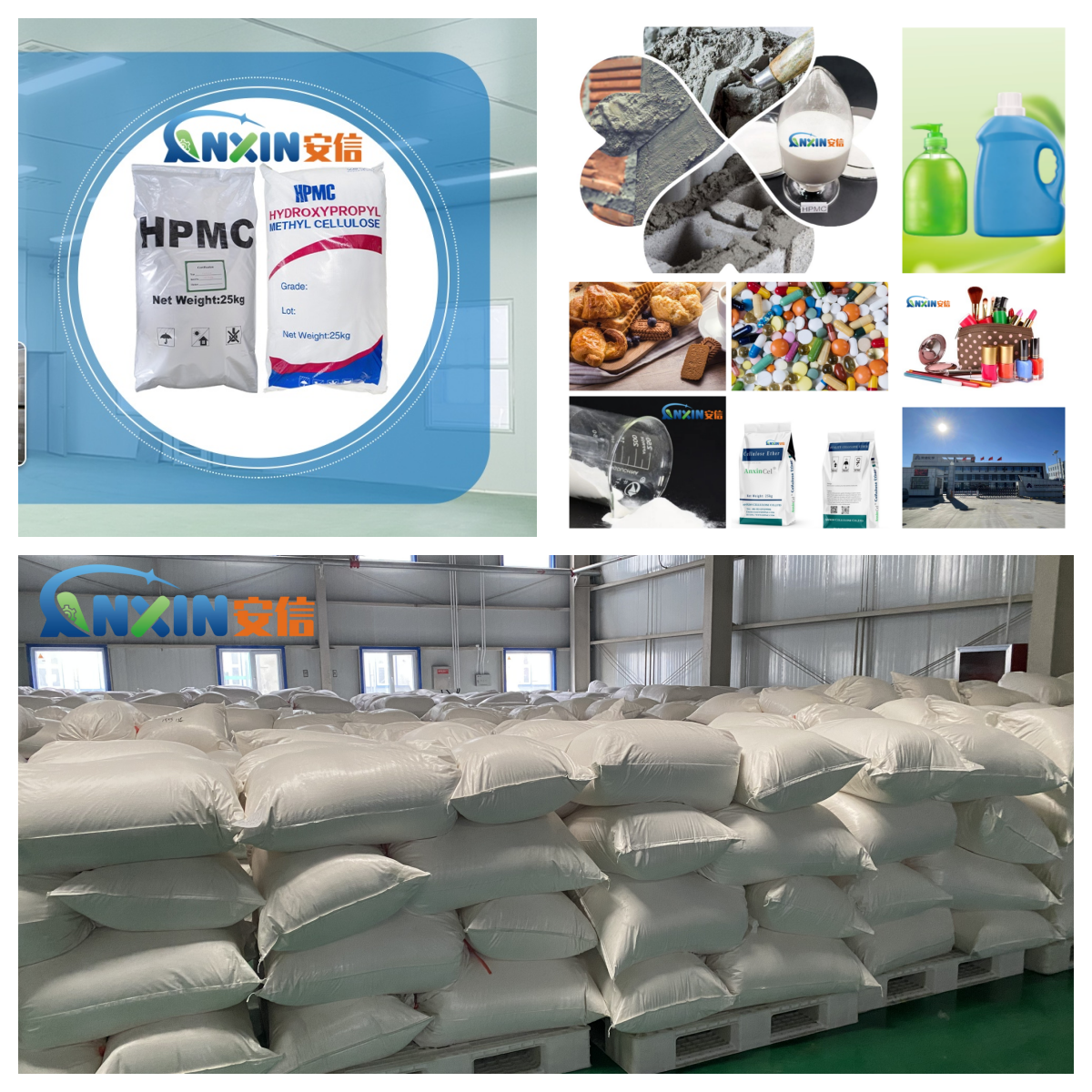
In tile adhesives, thermal insulation mortars, putty powders, etc., HPMC not only improves the workability and water retention of the materials, but also forms a strong adhesive layer during the drying process, effectively enhancing the adhesion to the wall and tiles.
3.2. Pharmaceutical preparations
In tablets and capsules, HPMC is often used as a binder to help powder particles combine and form, and improve the mechanical strength and disintegration consistency of tablets.
3.3. Food and daily chemicals
As a stable non-ionic polymer, HPMC is used as a thickener and adhesive in some foods, cosmetics and personal care products to help ingredients combine and maintain structural stability.
4. Factors affecting bonding performance
The effect of HPMC as an adhesive is affected by the following factors:
Degree of substitution and molecular weight: The substituent content affects the solubility and film-forming properties of HPMC; the higher the molecular weight, the greater the viscosity and adhesion strength.
Amount added: Insufficient dosage will result in weak bonding; excessive dosage may lead to decreased leveling and construction properties.
System environment: Temperature, humidity and substrate surface cleanliness will affect the final bonding effect.
HPMC plays the role of an adhesive through multiple mechanisms such as thickening, film formation, hydrogen bonding and water retention. It can form a stable bonding layer on the surface of various substrates to improve adhesion and durability. Due to its good physical and chemical stability and wide adaptability, HPMC has become one of the preferred materials for adhesives in the fields of construction, medicine, food, etc.
Post time: Jul-23-2025