



In modern building materials systems, dry-mix mortar is widely used due to its ease of application and consistent quality. However, mortar properties such as water retention, workability, and bond strength directly impact construction results and project quality. To enhance the overall performance of mortar, hydroxypropyl methylcellulose (HPMC) has become an essential key additive in the formulation. Its excellent thickening, water retention, dispersibility, and stabilization properties provide comprehensive improvements to the mortar system, making it a key material for enhancing mortar construction performance and service life.
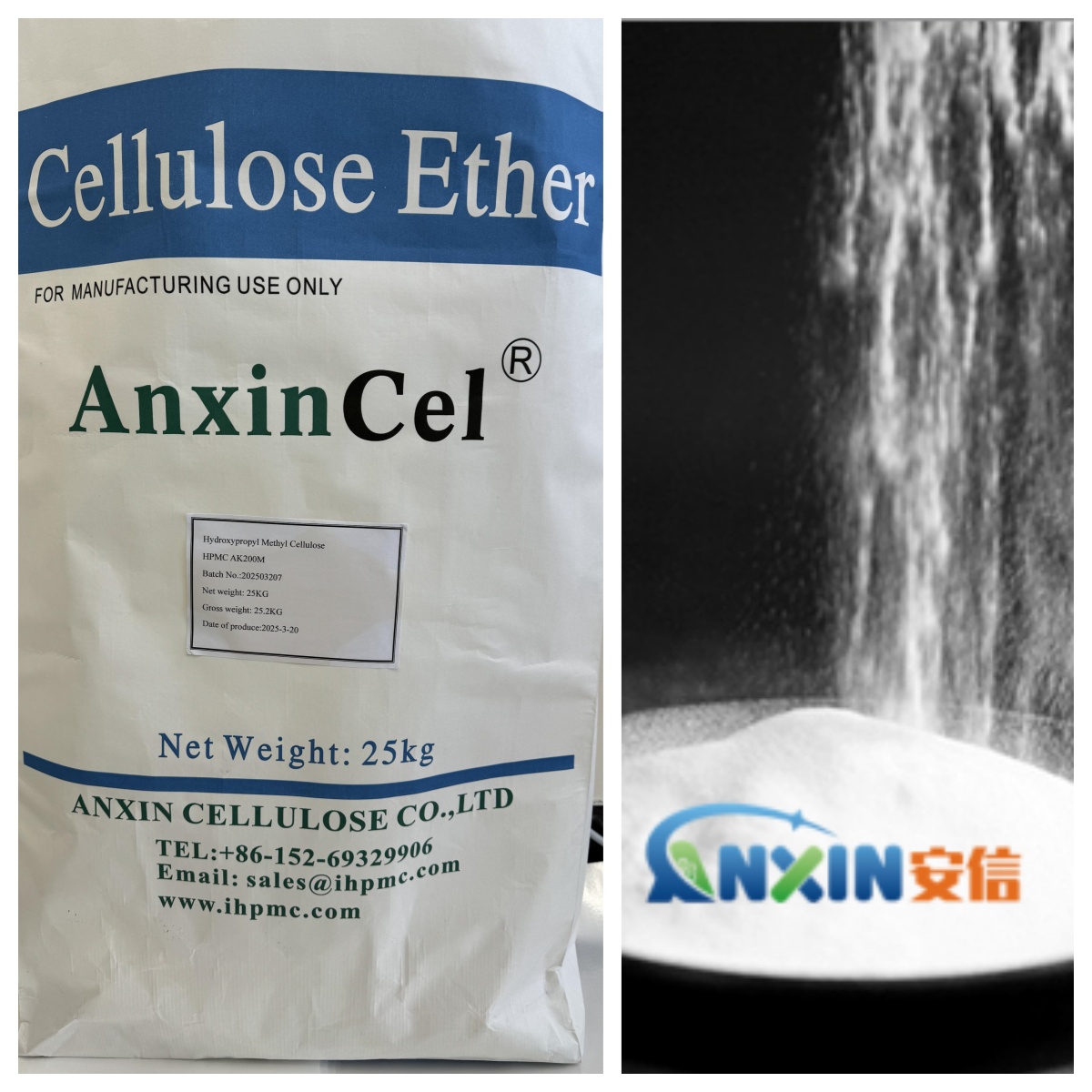
1. HPMC’s Main Mechanism of Action
HPMC is a nonionic cellulose ether that forms a transparent, viscous solution in water. Its molecular structure contains hydrophilic hydroxyl groups and hydrophobic methoxy and hydroxypropoxy groups, giving it excellent surface activity and film-forming properties. In mortar systems, HPMC improves the mortar’s rheology and water retention by adsorbing on the surface of cement particles, regulating water flow and particle distribution. It can slow the hydration of cement, making the hydration reaction more uniform and ensuring a steady increase in mortar strength.
2. Improving Mortar Water Retention and Workability
One of the most critical properties in mortar construction is water retention. Excessive water loss can lead to segregation, bleeding, and cracking. HPMC has a strong water-retention effect. Its polymer chains form a continuous water film in the mortar, preventing premature evaporation or absorption by the substrate, thereby maintaining the mortar’s moist state. Its excellent water-retention properties extend application time and enable smoother application, especially on hot, dry, or highly absorbent substrates.
3. Improving Mortar Rheology and Workability
The thickening effect of HPMC significantly improves the flow and thixotropy of mortar. Appropriate viscosity ensures uniform distribution of the mortar during mixing, application, and compaction, preventing segregation or settling. It imparts excellent thixotropic properties to the mortar—maintaining a consistent consistency at rest, allowing for easy flow during application, and rapidly recovering viscosity after application to prevent slippage. This property is particularly important for products such as tile adhesives, plaster mortars, and self-leveling mortars, significantly improving construction efficiency and the smoothness of the finished product.
4. Enhanced Bond Strength and Slip Resistance
HPMC forms a dense organic film at the interface during the cement hardening process, strengthening the adhesion between the cement paste and the substrate. Furthermore, an appropriate amount of HPMC can enhance the mortar’s slip resistance, preventing tiles, blocks, or finishing materials from sliding down during vertical construction. The addition of HPMC, particularly in exterior wall insulation systems or thick-layer plastering, significantly improves construction safety and bond durability.
5. Improved Crack Resistance and Durability
By improving the mortar’s water retention and flexibility, HPMC effectively reduces the risk of shrinkage and cracking caused by hydration heat differences. The organic polymer network structure it forms allows the mortar to deform under external forces, thereby enhancing crack resistance and freeze-thaw cycle resistance. This property is crucial for improving the durability and service life of building surfaces.
6. Application Recommendations and Selection Key Points
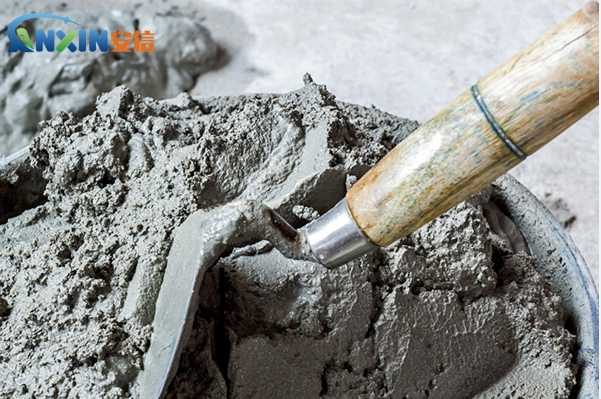
Different types of mortar (such as plaster mortar, masonry mortar, tile adhesive, and self-leveling mortar) have varying requirements for HPMC viscosity, degree of substitution, and dosage. Generally speaking, higher viscosity improves water retention, but may reduce application fluidity. Low-viscosity HPMC is more suitable for mechanical spray systems. The typical dosage range is 0.1% to 0.3%, requiring optimization based on raw material characteristics and application environment.
As a key additive for enhancing mortar performance, HPMC comprehensively improves mortar workability, adhesion, and durability through its multi-faceted mechanisms of thickening, water retention, dispersion, and bonding. With the advancement of construction industrialization and the promotion of green building materials, the technical performance and application value of HPMC will become even more prominent, making it a crucial support material for mortar quality upgrades and sustainable development.
Post time: Oct-10-2025