



1.Molecular Structure, Substitution Patterns, and Physicochemical Properties of HPMC
Hydroxypropyl methylcellulose (HPMC) is a non-ionic cellulose ether derived from natural cellulose through controlled chemical substitution. Its molecular backbone consists of β-(1→4)-linked D-glucose units, partially substituted with methoxyl (–OCH₃) and hydroxypropoxyl (–O–CH₂–CHOH–CH₃) groups. These substitutions are characterized by degree of substitution (DS) and molar substitution (MS), which collectively determine solubility, viscosity development, thermal gelation properties, and interfacial behavior. Higher methoxyl content enhances hydrophobic interactions and thermal gelation capability, while increased hydroxypropyl groups improve hydration, flexibility, and compatibility with water-rich systems.
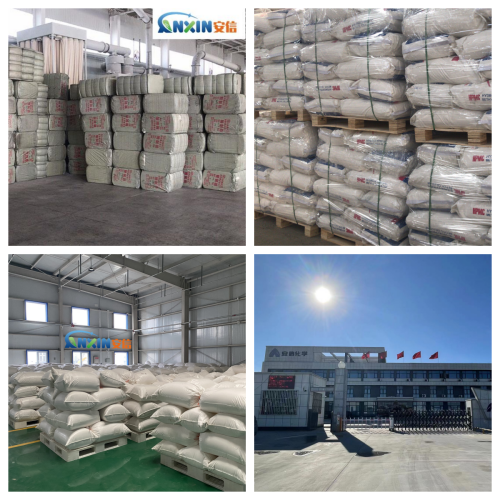
The physicochemical properties of HPMC are strongly influenced by molecular weight and substitution uniformity. Higher molecular weight grades typically provide stronger rheological thickening and film-forming performance, whereas lower molecular weight grades favor dispersion and handling. Being non-ionic, HPMC exhibits excellent stability over a wide pH range and shows minimal sensitivity to electrolytes relative to ionic polymers. Its amphiphilic nature enables surface activity, cohesive film formation, and emulsification synergy. Additionally, HPMC demonstrates controlled water retention, lubrication, and viscosity modifiers across diverse applications.
The interplay between chemical substitution patterns and molecular architecture endows HPMC with multifunctional performance advantages that support its widespread use in construction materials, pharmaceutical formulations, food systems, and personal care products.
2.Rheological Behavior, Film Formation, and Thermal Gelation: Mechanistic Insights
HPMC exhibits highly tunable rheological behavior due to its hydration kinetics, molecular weight distribution, and substitution composition. Upon dispersion in water, the polymer chains gradually hydrate and disentangle, forming viscous, pseudoplastic solutions that display shear-thinning flow behavior. This rheology facilitates improved workability in construction mortars, enhanced coating application in cosmetics, and controlled viscosity in pharmaceutical suspensions. The degree of methoxyl and hydroxypropyl substitution governs intermolecular interactions, which influence viscosity build-up, yield characteristics, and long-term stability.
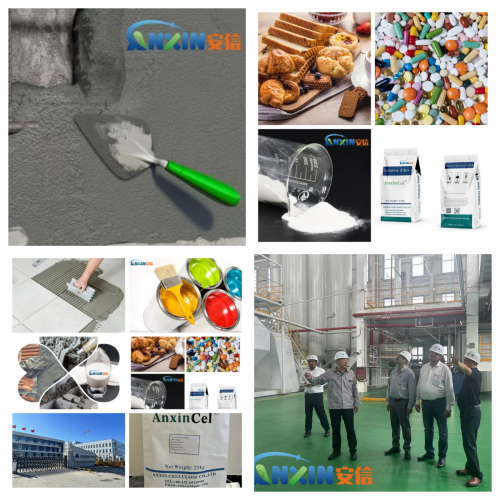
Film formation is another key functional mechanism, driven by chain entanglement and hydrogen bonding as water evaporates. HPMC films are transparent, flexible, and mechanically robust, making them suitable for tablet coating, moisture barrier layers, and protective films in food and personal care formulations. The resulting films also exhibit oxygen barrier and adhesion properties, supporting both preservation and controlled release functions.
Thermal gelation is a distinctive phenomenon wherein HPMC solutions undergo reversible sol–gel transitions when heated. Hydrophobic interactions among methoxyl groups strengthen at elevated temperatures, causing gel network formation; upon cooling, the gel reverts to a solution state. This unique behavior underpins applications such as heat-triggered thickening, stable baking structures in gluten-free systems, and viscosity control in hot-mix adhesives and construction products.
3.Cross-Industry Application Case Studies: Construction, Pharmaceutical, Food, and Personal Care Uses
The multifunctional performance of HPMC is demonstrated across diverse industries, each leveraging its thickening, water retention, film-forming, and gelation properties for specific technical purposes. In construction materials—such as cement-based mortars, tile adhesives, and gypsum plasters—HPMC improves workability, open time, and water retention, ensuring proper hydration and adhesion. High viscosity grades deliver enhanced sag resistance and trowel feel, contributing to consistent application quality and reduced defect rates on job sites.
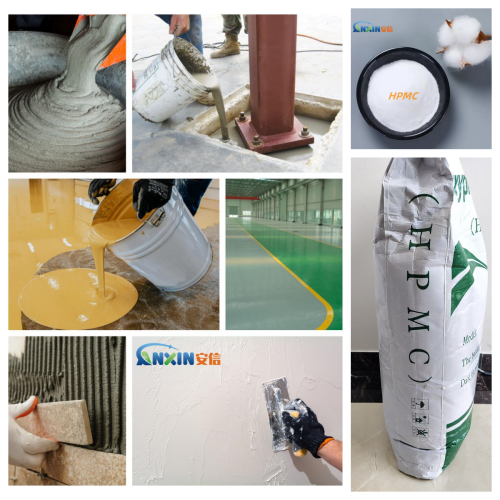
In pharmaceutical dosage forms, HPMC serves as a binder, film-coating agent, and matrix polymer for controlled drug release. Its non-ionic character supports stability across pH variations, while its gel-forming capacity enables predictable dissolution profiles in modified-release tablets. Additionally, HPMC is widely used in vegetarian capsule production due to its compatibility, safety, and cellulose-based origin.
Food applications take advantage of HPMC thermal gelation and film formation, enabling gluten-free bakery structure, moisture retention, and improved shelf stability. In frying systems, HPMC can reduce oil uptake and enhance crispness, while in plant-based products it supports texture development and heat stability.
In personal care formulations—such as shampoos, lotions, and toothpastes—HPMC functions as a rheology modifier, emulsification aid, and sensory enhancer, promoting smooth application, suspension stability, and long-term viscosity consistency.
4.Performance Optimization Strategies and Future Development Trends for HPMC Materials
Optimizing HPMC performance requires coordinated control over chemical substitution, molecular weight, particle size, and formulation environment. Tailoring methoxyl and hydroxypropyl substitution allows manufacturers to fine-tune hydration kinetics, gelation temperature, and compatibility with other components. Particle size reduction and specialized surface treatments enhance dispersion functionality in cold-water systems, minimizing agglomeration and accelerating viscosity development. In construction and coating applications, blending multiple viscosity grades or combining HPMC with other cellulose ethers can balance workability, sag resistance, and long-term stability. Meanwhile, in pharmaceutical systems, optimizing polymer grade and matrix design supports targeted dissolution behavior, improved tablet strength, and reduced processing variability.
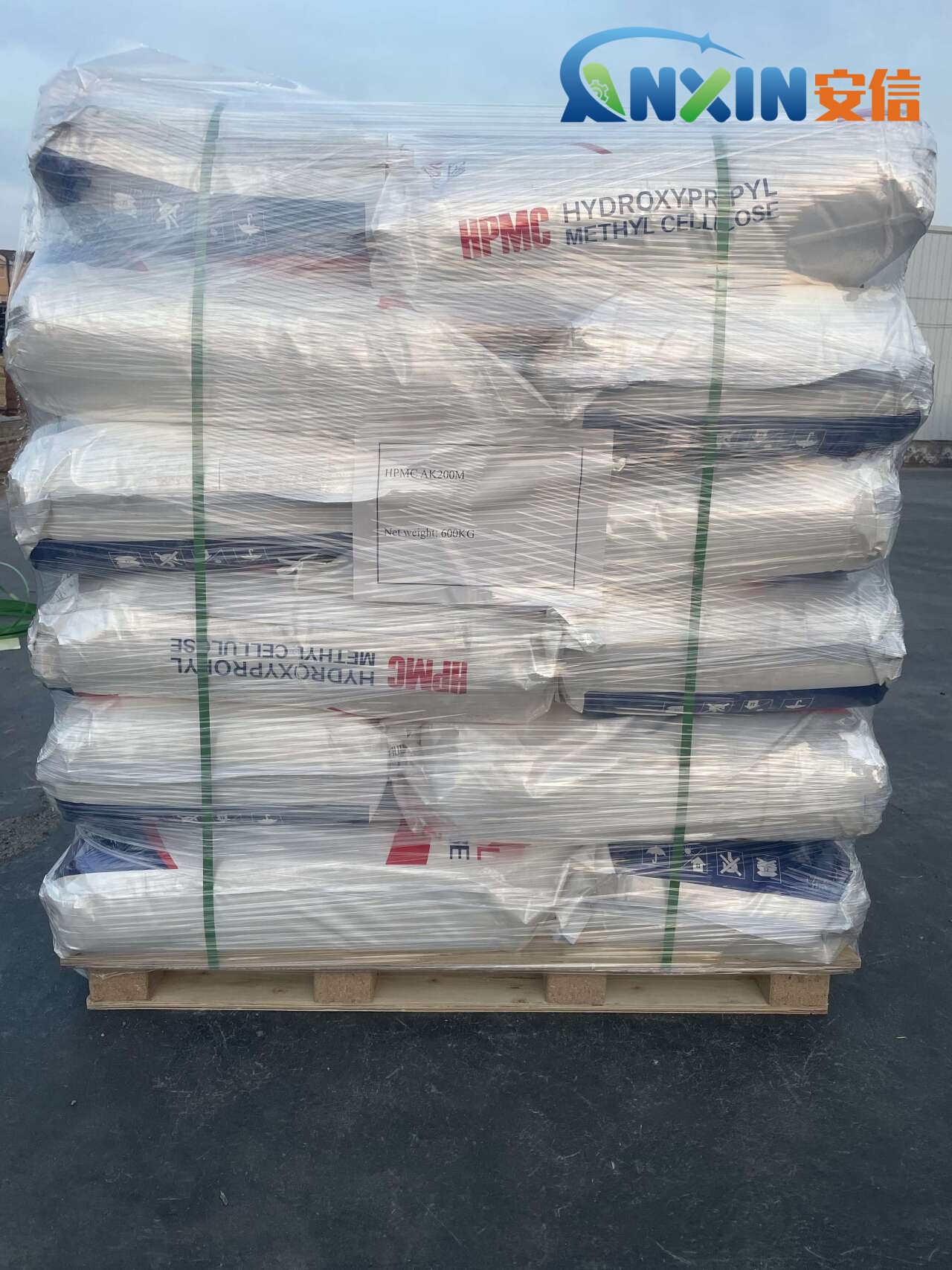
Future development trends focus on sustainability, multifunctionality, and advanced formulation integration. Bio-based production pathways, reduced chemical footprint, and improved recyclability align HPMC with evolving environmental expectations. Technological advancements in controlled substitution, recombinant cellulose technologies, and hybrid polymer systems promise enhanced gelation performance, thermal stability, and barrier properties. Cross-industry innovations—such as in plant-based foods, biodegradable coatings, and 3D-printing materials—continue to expand the application scope of HPMC.
As regulatory, functional, and sustainability requirements evolve, HPMC is poised to serve as a versatile platform polymer, enabling more intelligent formulations and performance-driven materials across construction, pharmaceutical, food, and personal care sectors.
Post time: Jan-15-2026