



Redispersible polymer powder (RDP), as a highly valuable polymer modifier in modern dry-mix mortar systems, plays a crucial role in strengthening and toughening crack-resistant mortar. With the promotion of external wall insulation systems, thin-layer plastering systems, and flexible finishing materials, the requirements for mortar crack resistance are constantly increasing, and the application cases of RDP in actual engineering projects are also growing.
1. External Wall Insulation Plastering Crack-Resistant Mortar Project
A large residential complex in a northern region adopted an EPS thin-layer plastering external wall insulation system. During the initial construction phase, localized cracking and splitting of the plaster layer occurred. After analysis by the technical team, the polymer additive content in the original formula was increased from 1% to 3%, and ethylene-vinyl acetate type RDP was selected.
Improved Effects:
Significantly improved flexibility: After RDP film formation, a continuous polymer network is formed in the mortar, effectively absorbing base layer deformation, and the flexural strength of the mortar increased by approximately 40%.
Enhanced bonding strength: The bonding strength increased from 0.35 MPa to 0.55 MPa, resulting in more stable adhesion between the plaster layer and the EPS board.
Suppression of drying shrinkage cracks: After adding RDP, the drying shrinkage rate of the mortar decreased by approximately 25%, and large-area cracks were basically eliminated in the actual project.
This case demonstrates that appropriately increasing the amount of RDP can effectively solve common cracking problems in insulation systems and significantly improve system durability.
2. Cement-Based Flexible Crack-Resistant Plaster Layer Renovation Project
The exterior wall plaster layer of an old residential community in a city had suffered from environmental erosion for many years, resulting in hollowing and cracking. The renovation team used a flexible crack-resistant mortar containing RDP as the new plaster layer, with an RDP content of approximately 2% in the formula.
Application Effects:
Improved adaptability to old substrates: RDP improves the wettability and bonding ability of the mortar to various substrates such as brick walls and cement mortar, making it suitable for old wall repair.
Improved impact resistance: The modified crack-resistant mortar performed well in pendulum impact tests, with no significant cracks on the surface.
Enhanced weather resistance: The UV resistance and freeze-thaw resistance of RDP allow the film layer to better withstand changes in the outdoor environment. Follow-up inspections revealed no further cracking on the exterior walls within two years, proving that RDP has a significant and durable strengthening effect on the repair of old walls.
3. Application of Special Anti-Cracking Mortar for Lightweight Block Walls
A commercial complex used AAC aerated concrete blocks as non-load-bearing walls. Due to the significant drying shrinkage of the material itself, cracks often appeared in the plaster layer. The project team used a lightweight anti-cracking mortar containing RDP, with an RDP addition amount of approximately 1.5%.
Actual performance:
Enhanced bending and tensile strength: RDP significantly improved the toughness of the mortar, effectively offsetting the deformation stress caused by the shrinkage of the AAC wall.
Improved construction adaptability: The mortar’s water retention was improved, preventing bleeding and segregation during construction and improving the effect of thin-layer application.
Reduced structural cracking: After large-area construction on the wall surface, the overall flatness was good, with almost no through cracks.
This project demonstrates the irreplaceable anti-cracking value of RDP in lightweight wall material systems.
4. Application of Anti-Cracking Mortar for Underfloor Heating System Surface Layer
A residential project used a cement mortar leveling layer for underfloor heating. Due to large temperature fluctuations, the mortar was prone to cracking due to thermal expansion and contraction. The technical team improved the flexibility and ductility of the material by using RDP-modified anti-cracking mortar.
Advantages:
Significantly resists temperature stress: RDP film formation improves the adaptability of the mortar to heating pipes and concrete substrates.
Prevents surface cracking: The final surface has no obvious temperature-controlled cracks, ensuring the quality of tile or wood flooring installation.
This case shows that RDP can effectively cope with the temperature cycling environment in underfloor heating systems and plays a key role in ensuring ground stability.
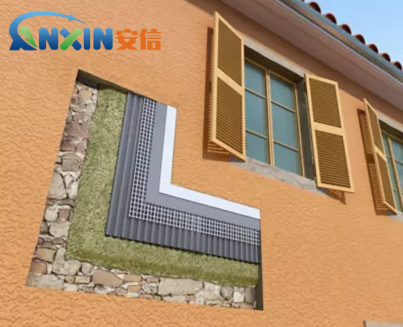
From multiple engineering cases, the practical application advantages of RDP in anti-cracking mortar are mainly reflected in:
Improved flexibility and crack resistance
Enhanced bonding strength and interface performance
Improved water retention and workability
Improved weather resistance and long-term stability
Whether it is exterior wall insulation, old wall renovation, lightweight walls, or underfloor heating systems, RDP can significantly reduce the risk of mortar cracking and is an indispensable core additive in modern high-performance anti-cracking mortars.
Post time: Dec-09-2025