



With the rapid development of the construction and decoration industry, the requirements for the performance of tile adhesives are constantly increasing. Premixed tile mortar, as a factory-premixed, ready-to-use dry-mix material that only requires the addition of water on-site, is widely used due to its convenient construction and stable quality. In its formulation system, hydroxypropyl methylcellulose (HPMC) is a key functional additive that plays a crucial role in the workability and bonding performance of the mortar.
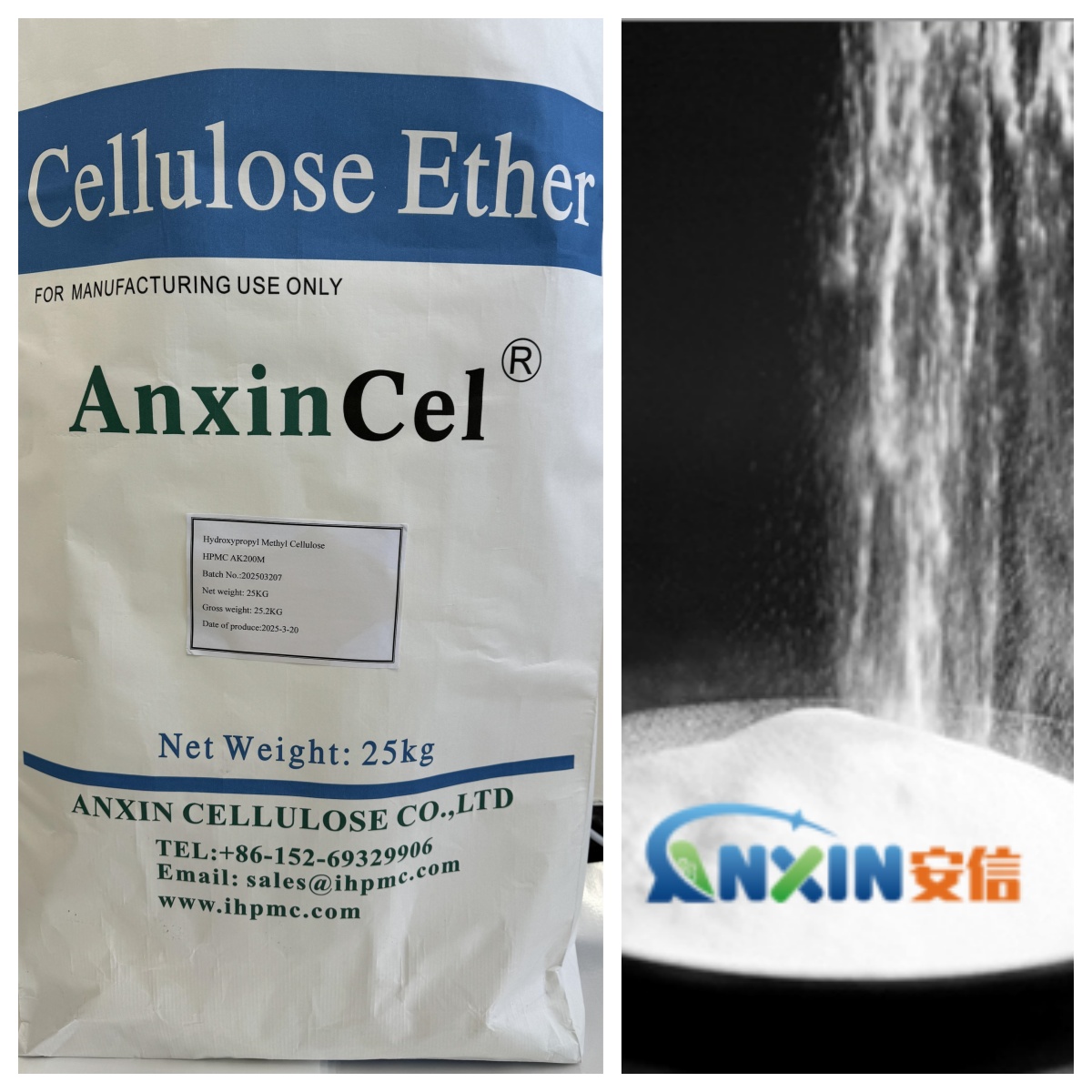
The most important function of HPMC in premixed tile mortar is to improve water retention. During tile installation, if water is absorbed too quickly by the substrate or tiles, it can lead to insufficient hydration, resulting in problems such as hollowing and detachment. HPMC has good hydrophilicity and film-forming properties, which can form a stable water-retaining network inside the mortar, significantly slowing down water loss and ensuring sufficient cement hydration, thereby improving the bonding strength between the tiles and the substrate.
HPMC can significantly improve workability. At appropriate viscosity, HPMC can make the tile mortar exhibit a fine and uniform paste structure, making the mortar smoother during application and less prone to tearing or breaking. This good workability not only reduces the difficulty of operation for workers but also helps to improve construction efficiency and tiling quality, especially suitable for large-format tiles and thin-bed tiling methods.
HPMC has a significant effect on improving sag resistance and slip resistance. When tiling on vertical surfaces or walls, the weight of the tiles can easily cause slippage, affecting positioning accuracy. HPMC, by controlling the rheological properties of the mortar, increases its yield stress and structural stability, allowing the mortar to maintain good support under stress, thus effectively preventing tile slippage and ensuring construction safety and a beautiful finished product.
HPMC can also improve the open time of the mortar. In actual construction, appropriately extending the open time helps workers to make adjustments and corrections. HPMC controls the rate of water evaporation, allowing the mortar to maintain good bonding activity for a longer period, reducing rework rates, and is particularly suitable for high-temperature, dry, or high-water-absorption construction environments.
From a formulation design perspective, the rational selection of HPMC viscosity and degree of substitution is crucial. Low-viscosity HPMC is more conducive to workability and flow during application, while medium- and high-viscosity products perform better in terms of water retention and anti-sagging properties. In practical applications, a comprehensive matching process is required based on the type of tiles, construction methods, and environmental conditions to achieve a balance between performance and cost.
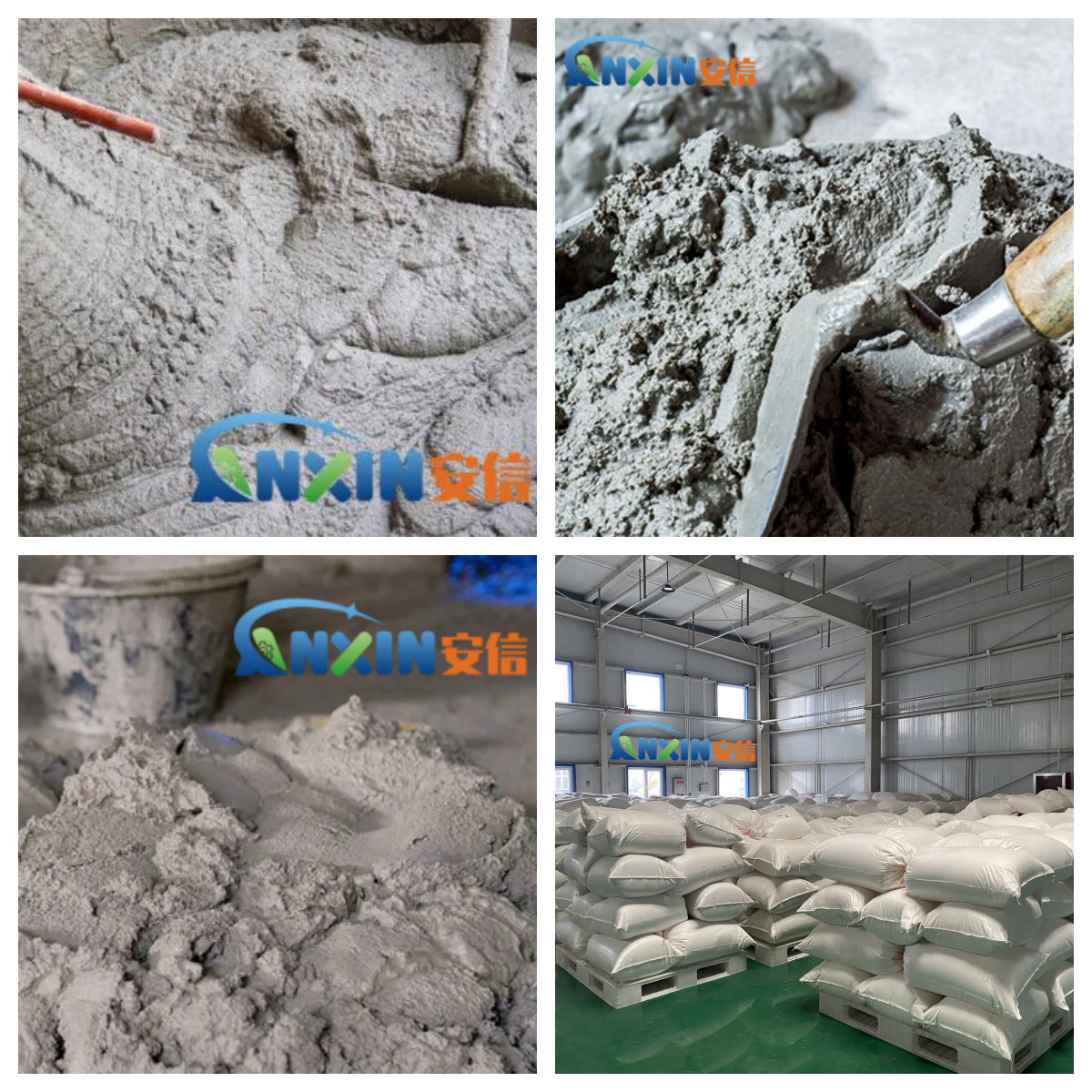
In mixed tile mortar, HPMC is not merely a simple thickener, but a core additive that enhances the overall performance of the product. By improving water retention, workability, anti-sagging capabilities, and extending open time, HPMC provides reliable technical support for modern tile installation and is of great significance in promoting the high-quality development of the dry-mix mortar industry.
Post time: Dec-29-2025