



1.How HPMC Enhances Water Retention and Workability in Gypsum and Cement Plasters
Hydroxypropyl methylcellulose (HPMC) is a widely used cellulose ether additive in gypsum and cement plaster formulations due to its excellent water retention and workability-enhancing properties. In modern construction, plasters must offer smooth application, sufficient open time, and consistent performance under different environmental conditions. HPMC plays a critical role in achieving these requirements.
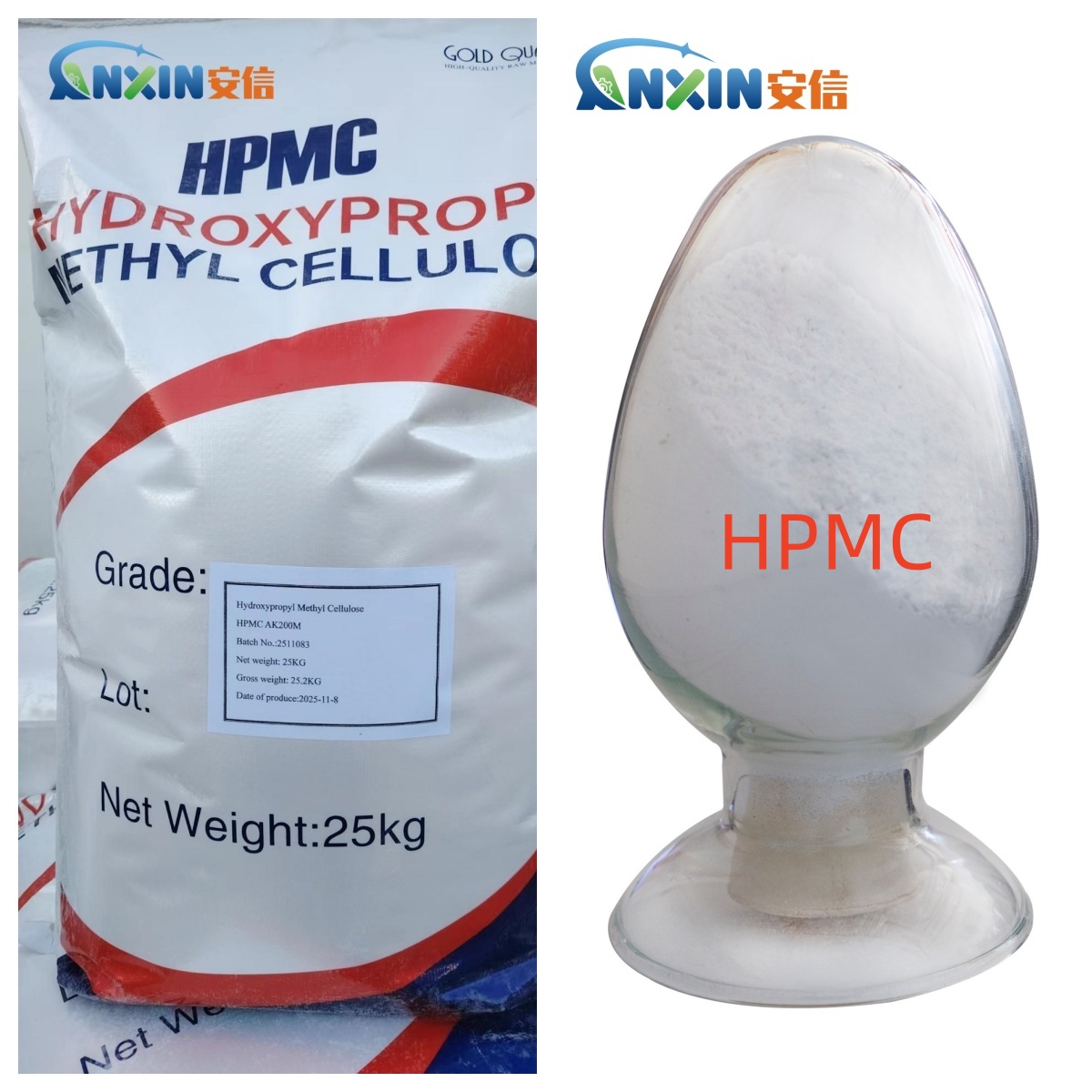
One of the most important functions of HPMC in plaster is water retention. When gypsum or cement plaster is mixed with water, rapid water loss can occur due to absorption by the substrate or evaporation, especially on porous surfaces or under high temperatures. HPMC forms a uniform, water-soluble polymer network within the plaster matrix. This network binds free water and slows down its migration, ensuring that sufficient moisture remains available for cement hydration or gypsum crystallization. As a result, the plaster can develop proper strength and bonding performance without premature drying.
Improved water retention directly contributes to better workability. With HPMC, plaster maintains a stable and creamy consistency for a longer period, allowing applicators more time to spread, level, and finish the material. This extended open time is particularly important for large surface areas and complex architectural details. The controlled release of water also prevents issues such as dry edges, tearing, or uneven texture during application.
In addition to water retention, HPMC significantly improves the rheological behavior of gypsum and cement plasters. It provides a balanced viscosity that makes the plaster easy to trowel while maintaining good body and cohesion. The plaster becomes less prone to segregation and bleeding, ensuring uniform distribution of fillers and aggregates throughout the mix. This results in smoother application and a more consistent surface finish.
HPMC also enhances the compatibility of plaster with different substrates. By retaining water at the interface between the plaster and the base surface, HPMC supports better wetting and penetration, which improves adhesion. This is especially beneficial when applying plaster to highly absorbent substrates such as concrete blocks, aerated concrete, or brickwork.
The incorporation of HPMC in gypsum and cement plasters leads to improved water retention, enhanced workability, and more reliable on-site performance. By optimizing hydration, extending open time, and stabilizing rheology, HPMC helps contractors achieve higher application efficiency, better surface quality, and more durable plaster systems.
2.The Effect of HPMC on Consistency, Anti-Sag Performance, and Application Stability of Plaster
Hydroxypropyl methylcellulose (HPMC) is a key functional additive in gypsum and cement plaster systems, where consistent application behavior and stable performance are essential. Beyond water retention, HPMC plays a decisive role in controlling plaster consistency, improving anti-sag properties, and ensuring overall application stability under various working conditions.
Consistency is one of the most critical characteristics of plaster during application. Without proper modification, plaster mixes may become too fluid, leading to poor thickness control, or too stiff, making them difficult to spread. HPMC acts as a rheology modifier that increases viscosity in a controlled and predictable way. By forming a three-dimensional polymer network in the aqueous phase, HPMC stabilizes the plaster mixture and delivers a smooth, uniform consistency. This balanced rheology allows plaster to flow easily under trowel pressure while retaining sufficient structure when at rest.
Anti-sag performance is especially important for vertical and overhead plaster applications. Sagging not only affects surface appearance but also leads to uneven thickness and material waste. HPMC enhances anti-sag behavior by increasing the yield stress of the plaster. Once applied to a wall or ceiling, the plaster remains in place without slumping or sliding. This stability enables applicators to apply thicker layers in a single pass, improving productivity and reducing the need for rework.
Application stability is another major advantage provided by HPMC. During mixing, transportation, and application, plaster formulations can be exposed to shear forces, temperature changes, and varying humidity levels. HPMC improves the shear-thinning behavior of plaster, meaning the material becomes less viscous during mixing or troweling and quickly recovers its structure afterward. This property ensures consistent performance from the mixing stage through final finishing.
HPMC helps prevent common defects such as segregation, bleeding, and uneven setting. By keeping solid particles uniformly suspended, it maintains homogeneity throughout the working time. This results in a smooth, defect-free surface with consistent mechanical properties across the entire applied area.
In practical construction environments, stable plaster performance translates into higher efficiency and better quality outcomes. The use of HPMC allows contractors to achieve reliable consistency, excellent anti-sag characteristics, and stable application behavior, even under challenging site conditions. Consequently, HPMC has become an indispensable component in high-performance plaster formulations designed for modern building standards.
3.HPMC Contribution to Adhesion Strength, Surface Smoothness, and Crack Resistance in Plaster Systems
Hydroxypropyl methylcellulose (HPMC) is widely recognized in plaster formulations for its multifunctional performance benefits that extend beyond workability and water retention. In gypsum and cement plaster systems, HPMC significantly contributes to improved adhesion strength, enhanced surface smoothness, and increased resistance to cracking, all of which are critical for long-term durability and visual quality.
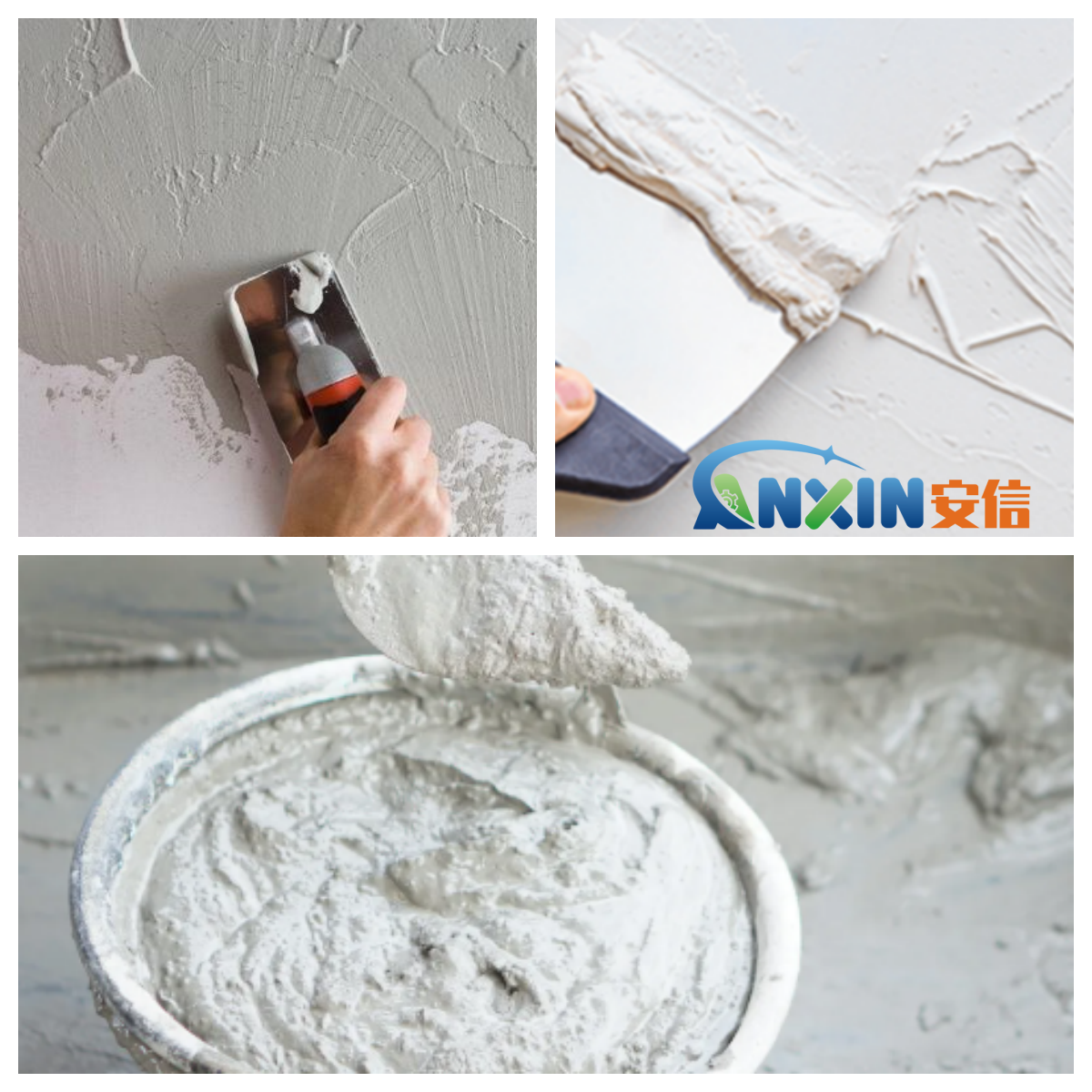
Adhesion strength is a fundamental requirement for plaster performance, as poor bonding can lead to delamination, hollowing, or peeling over time. HPMC improves adhesion primarily by maintaining adequate moisture at the interface between the plaster and the substrate. By slowing water absorption into porous surfaces, HPMC allows sufficient time for cement hydration or gypsum crystallization to occur at the bonding zone. This controlled hydration process promotes stronger mechanical interlocking and chemical bonding, resulting in improved adhesion to substrates such as concrete, brick, and aerated concrete.
Surface smoothness is another key benefit provided by HPMC. The rheological control offered by HPMC ensures uniform particle distribution within the plaster mix, preventing segregation and surface defects. During application, HPMC enables the plaster to spread evenly and self-level to a certain extent, reducing trowel marks and drag. This leads to a finer, more consistent surface texture that requires less additional finishing or sanding. For decorative and finishing plasters, this smooth appearance is especially valuable in achieving high-quality aesthetic results.
Crack resistance is closely linked to moisture control and internal stress distribution within the plaster layer. Rapid water loss and uneven drying often cause shrinkage stresses, which can result in surface cracking. HPMC mitigates this risk by retaining water and ensuring a more uniform drying process. The gradual release of moisture reduces differential shrinkage between the surface and the interior of the plaster layer, minimizing stress concentration.
The flexible polymer chains of HPMC contribute to improved cohesion within the plaster matrix. This enhanced internal bonding helps the plaster better absorb minor movements caused by thermal changes or substrate deformation. As a result, the plaster system becomes more tolerant of micro-movements, further reducing the likelihood of cracks forming during curing or service life.
The inclusion of HPMC in plaster systems leads to stronger adhesion, smoother surfaces, and improved crack resistance. These combined effects not only enhance application quality but also extend the durability and service performance of gypsum and cement plasters in both residential and commercial construction projects.
4.Selecting the Right HPMC Grade for Different Plaster Types and Application Methods
Hydroxypropyl methylcellulose (HPMC) is a versatile cellulose ether widely used in plaster formulations to enhance water retention, workability, adhesion, and surface finish. However, not all HPMC grades perform identically, and selecting the appropriate grade is crucial to achieving optimal performance for different plaster types and application methods. Understanding the key parameters of HPMC and matching them to specific plaster requirements can significantly improve efficiency and quality in construction projects.

One of the main factors to consider when selecting an HPMC grade is viscosity. HPMC is available in a range of viscosities, typically measured in milliPascal-seconds (mPa·s). Low-viscosity grades are ideal for lightweight plasters or thin-layer applications, where easy spreadability and smooth troweling are desired. Medium- to high-viscosity grades are better suited for thicker cement-based or gypsum plasters, providing higher water retention, improved anti-sag performance, and better consistency. Choosing the correct viscosity ensures that the plaster remains workable while maintaining sufficient body for vertical or overhead applications.
Another important consideration is substitution type and degree. HPMC has varying levels of hydroxypropyl and methyl substitution, which affect solubility, film formation, and water retention. Higher substitution levels generally improve water retention and increase open time, making them suitable for hot or dry climates, large surface areas, or substrates with high water absorption. Lower substitution grades are more cost-effective and sufficient for small-scale applications or environments with minimal drying stress.
The plaster type also determines the appropriate HPMC grade. For cement plasters, a high-viscosity, high-substitution HPMC provides excellent anti-sag performance and long open time, preventing shrinkage cracks during curing. For gypsum plasters, a medium-viscosity grade is often preferred, as it ensures smooth application, uniform setting, and consistent surface finish without excessive thickening. Specialty plasters, such as decorative or self-leveling finishes, may require grades specifically tailored to maximize flow and leveling characteristics.
The application method—manual troweling versus machine spraying—affects grade selection. Sprayed plasters typically require slightly lower viscosity grades to facilitate pumping and spraying without clogging, while trowel-applied plasters benefit from higher viscosity grades that provide better hold and smoothness on vertical surfaces.
Selecting the right HPMC grade requires careful consideration of viscosity, substitution type, plaster composition, and application method. By matching the HPMC properties to the specific requirements of each plaster system, manufacturers and contractors can achieve optimal workability, adhesion, surface quality, and long-term durability, ensuring high-quality plaster applications in a variety of construction scenarios.
Post time: Dec-24-2025