



With the increasing demands for environmentally friendly, safe, and high-performance materials in the construction industry, water-based architectural coatings have gradually become the market mainstream. The importance of high-performance additives in coating systems is becoming increasingly prominent. Hydroxyethyl cellulose (HEC), as a water-soluble polymer thickener and rheology modifier, occupies an irreplaceable position in modern architectural coating systems due to its excellent viscosity control, water retention, and improved application properties.、
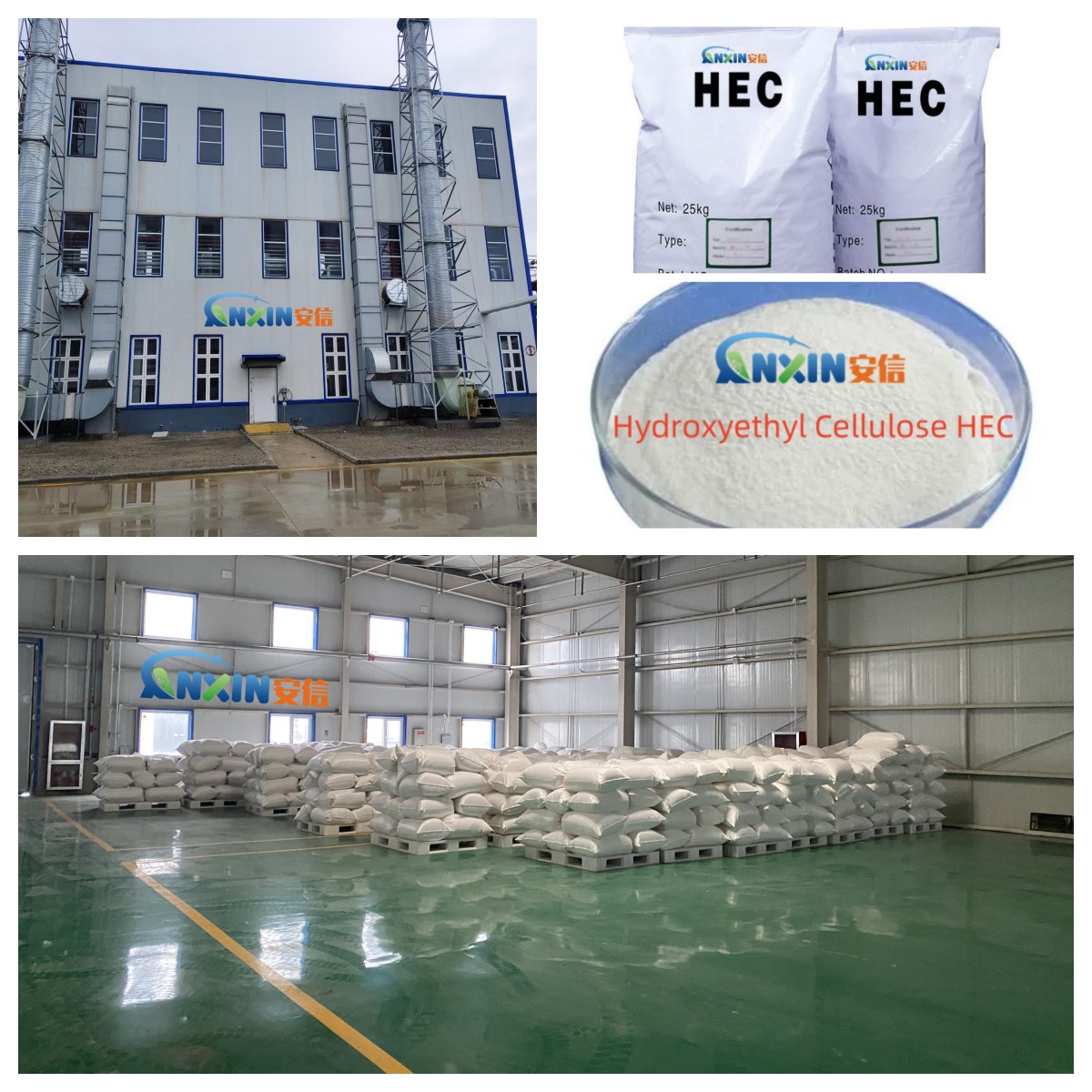
HEC significantly improves the rheological properties of coatings. Rheological characteristics have a decisive influence on the entire process of coating, from storage to application and film formation, including leveling, sag resistance, and smoothness during brushing and rolling. In water-based systems, HEC provides suitable pseudoplasticity and shear-thinning behavior, allowing the coating to maintain high viscosity in a static state, preventing pigment and filler sedimentation and stratification during storage; under shear stress during application, the viscosity decreases, facilitating the spreading, dispersion, and even application of the coating. This is particularly evident in improving the application feel and smoothness of interior and exterior latex paints, textured paints, and decorative paints.
HEC possesses excellent water retention properties, which are crucial for the drying speed, film continuity, and pigment dispersion stability of water-based coatings. Appropriate water retention in the paint film helps to slow down the rate of water evaporation, allowing the emulsion particles to coalesce more fully, thus forming a dense and crack-free film structure. On porous substrates such as cement mortar, gypsum board, and putty layers, excessive water absorption can lead to film cracking, reduced adhesion, and surface defects. HEC effectively improves this problem through its water regulation mechanism, providing a guarantee for improved construction quality.
HEC also provides good suspension and stabilization effects in coating systems. In formulations, color pastes, calcium carbonate, talc, and various functional fillers need to remain suspended for extended periods without settling. HEC increases the system viscosity and forms a stable three-dimensional network structure, preventing stratification or hard settling during storage. Meanwhile, it also positively influences the wetting and dispersion process of pigment particles, helping to improve the color saturation and opacity of coatings, and enhancing pigment paste compatibility.
The dissolution behavior and particle size distribution of HEC also have practical significance for coating production and application. Fast-dissolving and delayed-dissolving HEC can be flexibly selected for different production rates, improving feeding efficiency and avoiding agglomeration and localized high viscosity problems. Its different degrees of substitution and viscosity grades allow for precise matching of the process requirements of different coating systems, from low-viscosity spray systems to high-viscosity thick-paste coatings.
With the continuous strengthening of green building and environmental regulations, the renewable source and low VOC characteristics of HEC give it a greater advantage in sustainable coating systems. Compared with some chemically synthesized rheological additives, cellulose ether products are more environmentally friendly, reducing environmental burden and human health risks while meeting performance requirements.
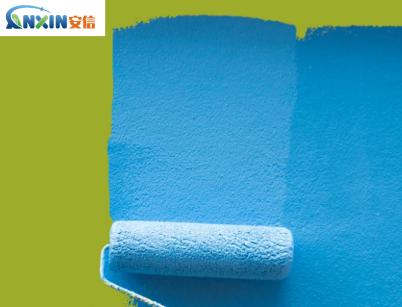
The role of HEC in modern architectural coatings is not limited to simple thickening or rheological modification, but rather permeates multiple key aspects of coating performance, including storage stability, application optimization, color performance, and film quality. With the continuous expansion of the water-based coatings market and the diversification of functional requirements, the technical importance of HEC will continue to increase, and it remains an indispensable key additive in architectural coating systems. In the future, through molecular structure optimization, particle morphology improvement, and dissolution characteristic control, HEC is expected to play a broader and deeper application value in high-performance water-based coatings.
Post time: Jan-27-2026